


Find Your Place in the Sun
Search Costa del Sol property, explore sun-filled locations and get friendly, practical guidance.
Property Search
Search Costa del Sol Property
Easy Property Search
Tell Us What You’re Looking For
The Costa del Sol property market can feel huge. Instead of scrolling endlessly, tell us your preferred area, budget, bedrooms and lifestyle priorities. We can help you narrow the search and send back a focused selection of homes that match your brief.
Beachside apartment, golf retreat, family villa, sunny lock-up-and-leave or a full-time move to Spain — we will help you start in the right place.
Send Us Your Property Brief →Where to Begin
Popular Costa del Sol Areas
Every part of the Costa del Sol has its own rhythm. Some buyers want beach days and restaurants on foot. Others want golf, schools, sea views, marina life, village charm or an easy airport connection. These municipality guides help you find your fit before exploring individual resorts, neighbourhoods and property searches.
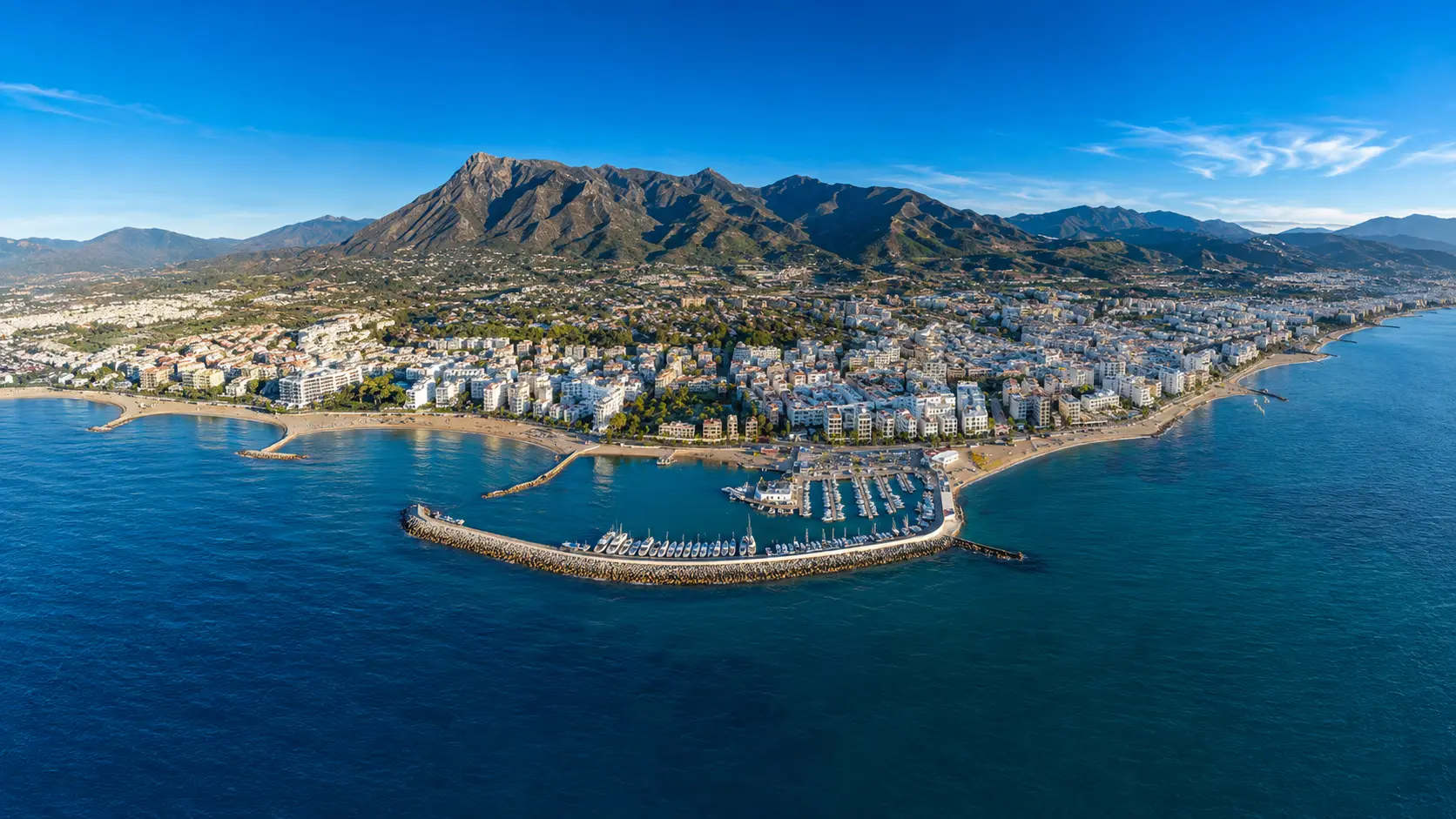
Marbella
Beach clubs, international dining, Old Town charm, luxury neighbourhoods and some of the coast’s most recognisable addresses.
Explore Marbella →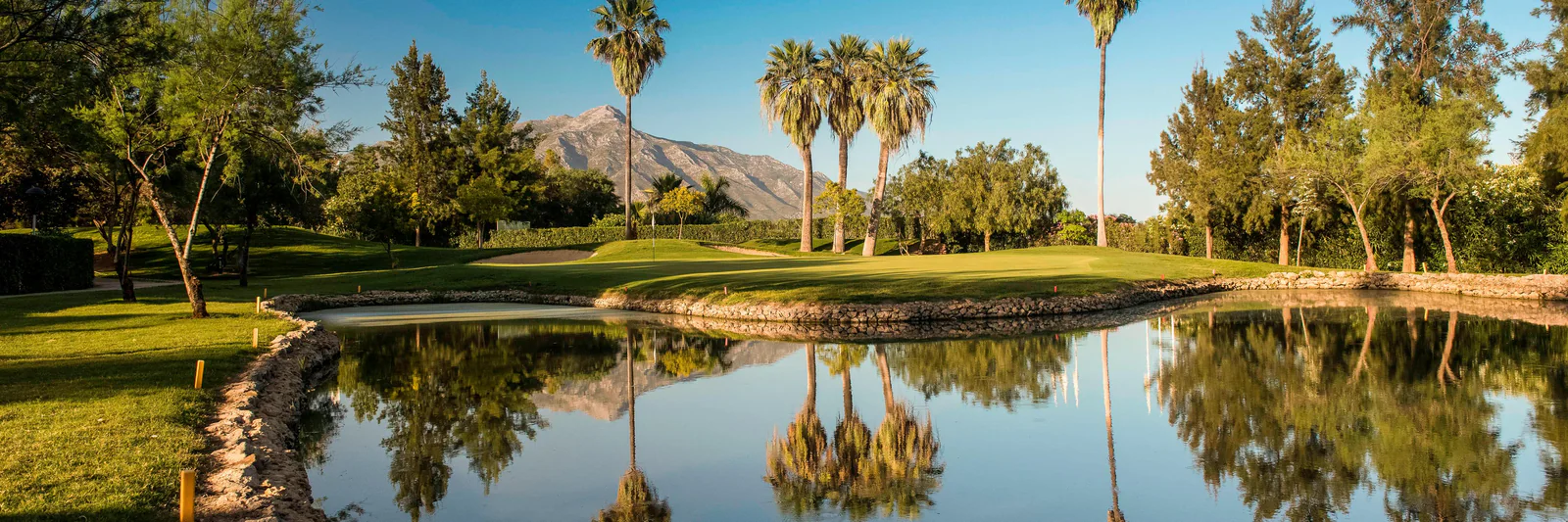
Benahavís
Mountain scenery, golf communities, private estates and village restaurants just inland from Marbella and the coast.
Explore Benahavís →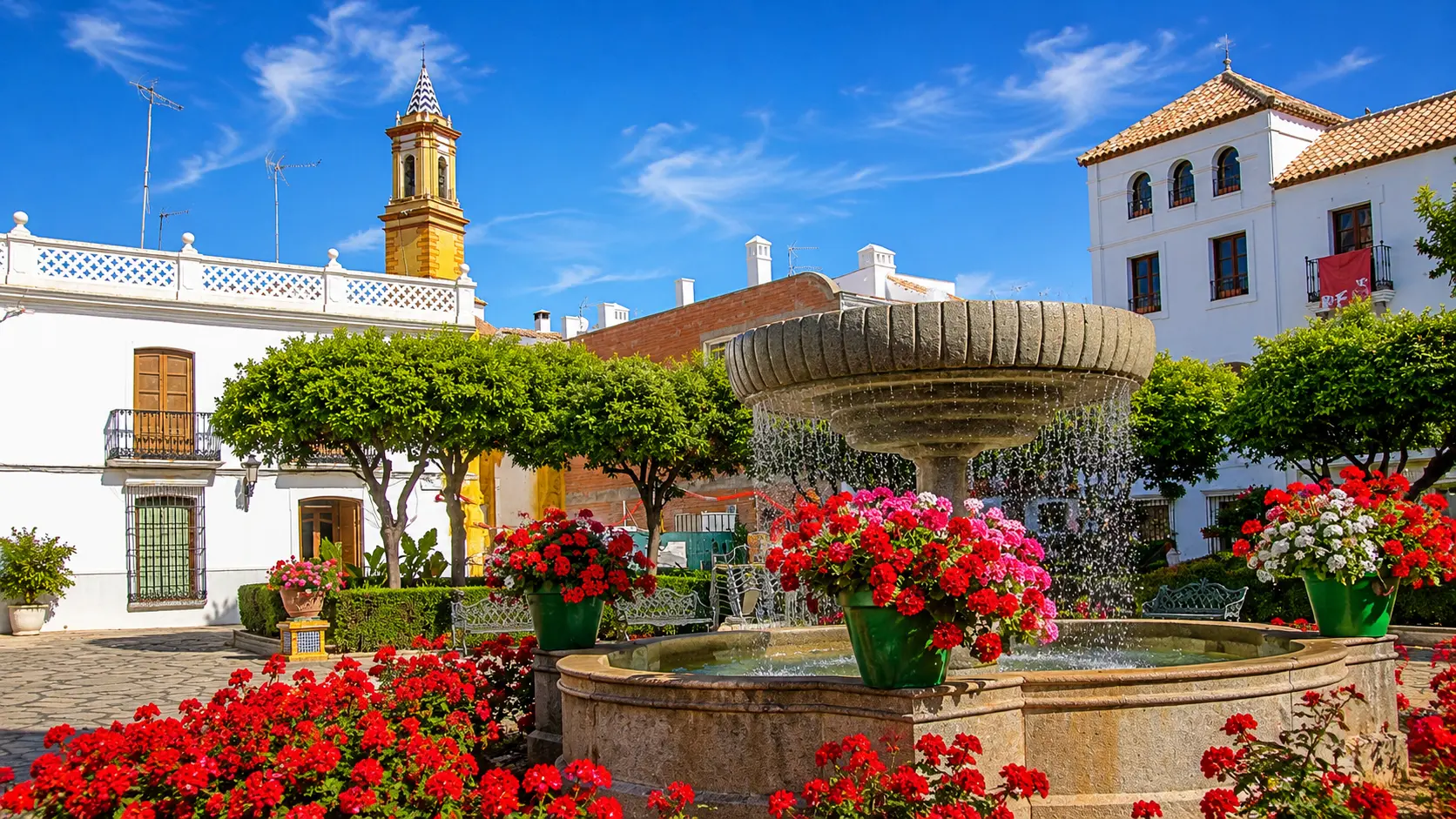
Estepona
A colourful old town, long seafront, strong family appeal and a growing choice of modern coastal developments.
Explore Estepona →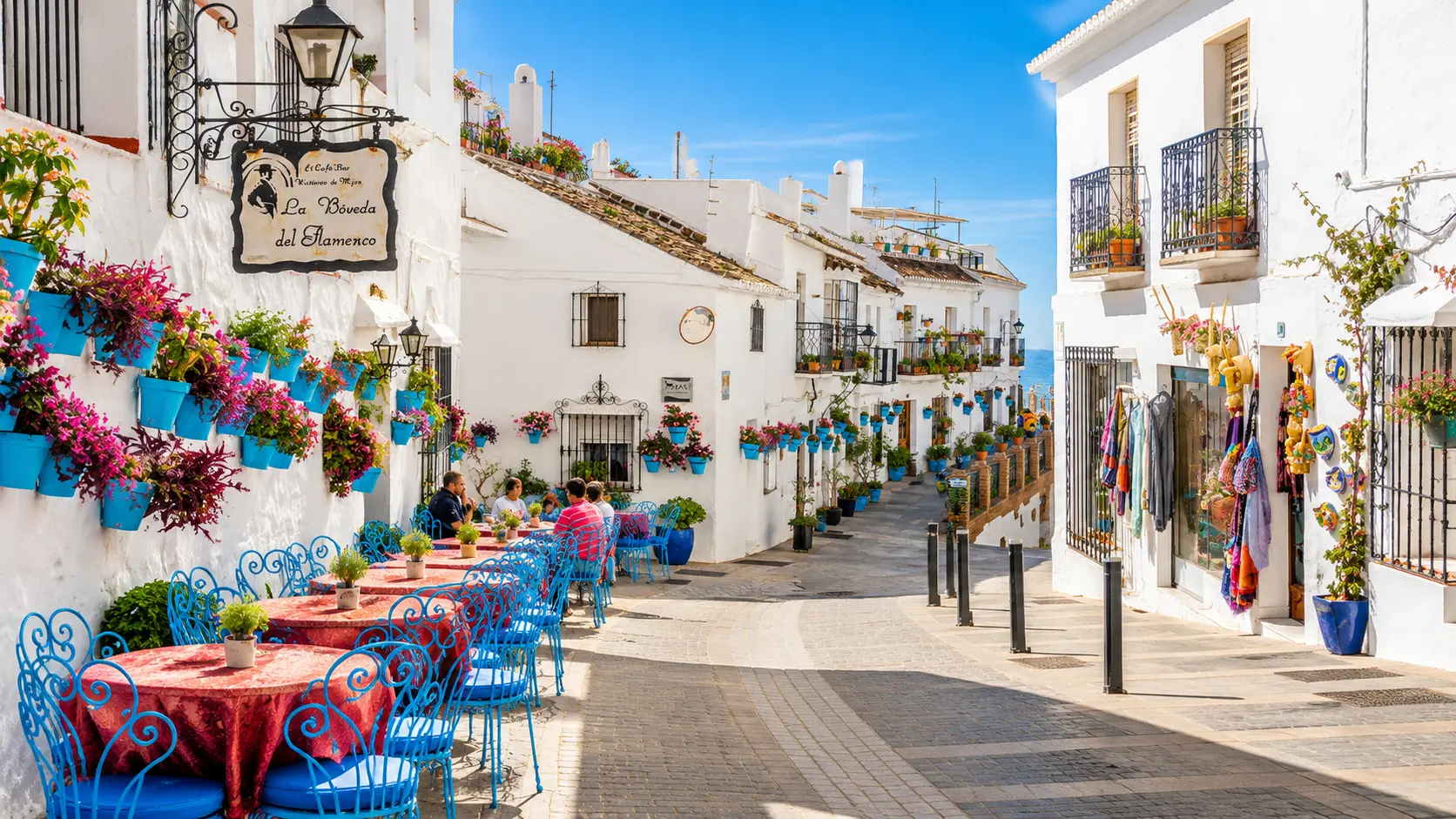
Mijas
White village charm, coastal living, golf options and broad appeal for holiday-home buyers and year-round residents.
Explore Mijas →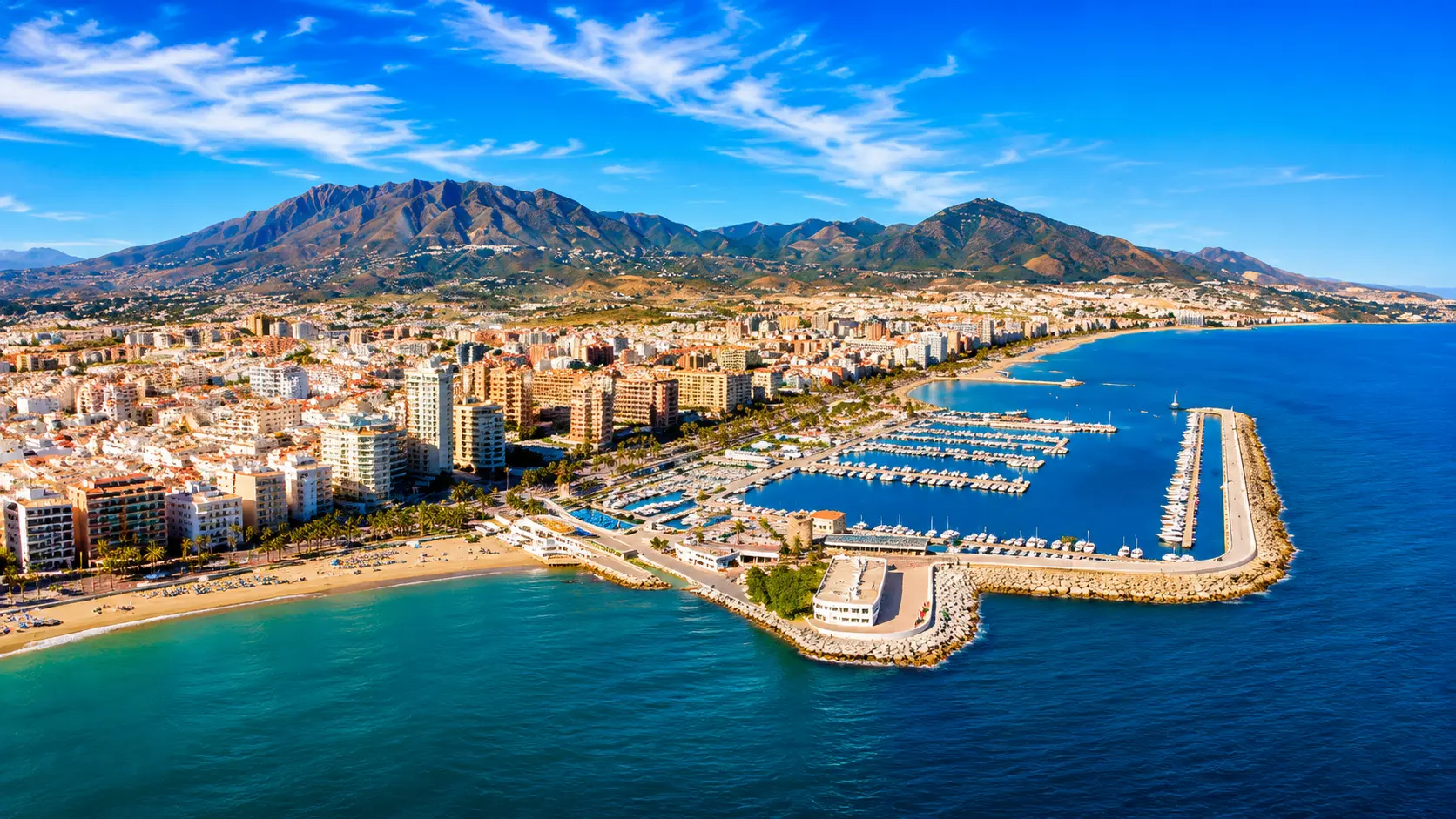
Fuengirola
A lively seafront town with beaches, transport links, shopping, dining and strong appeal for practical coastal living.
Explore Fuengirola →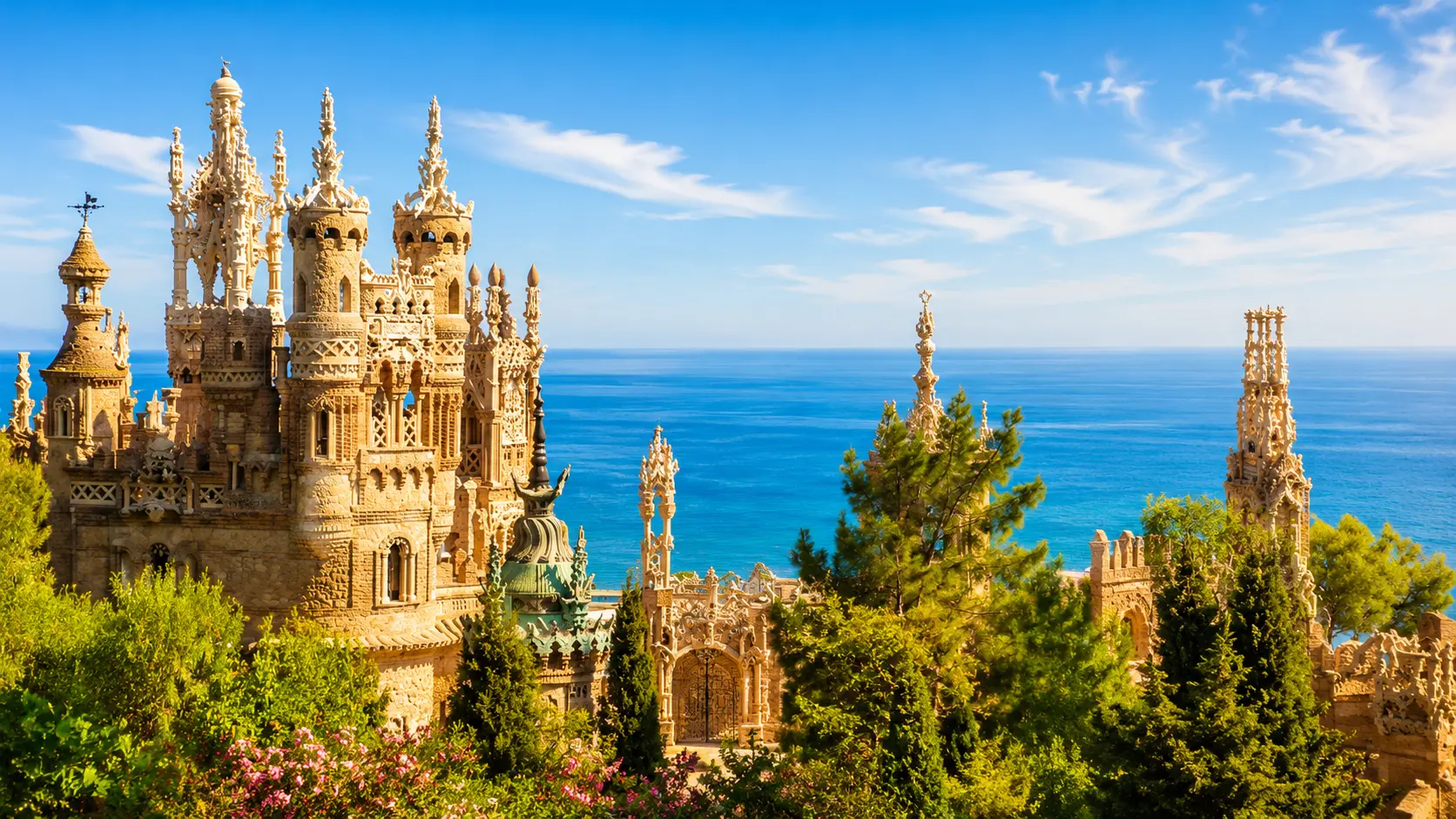
Benalmádena
Marina energy, family attractions, beaches, hillside views and quick access towards Málaga Airport.
Explore Benalmádena →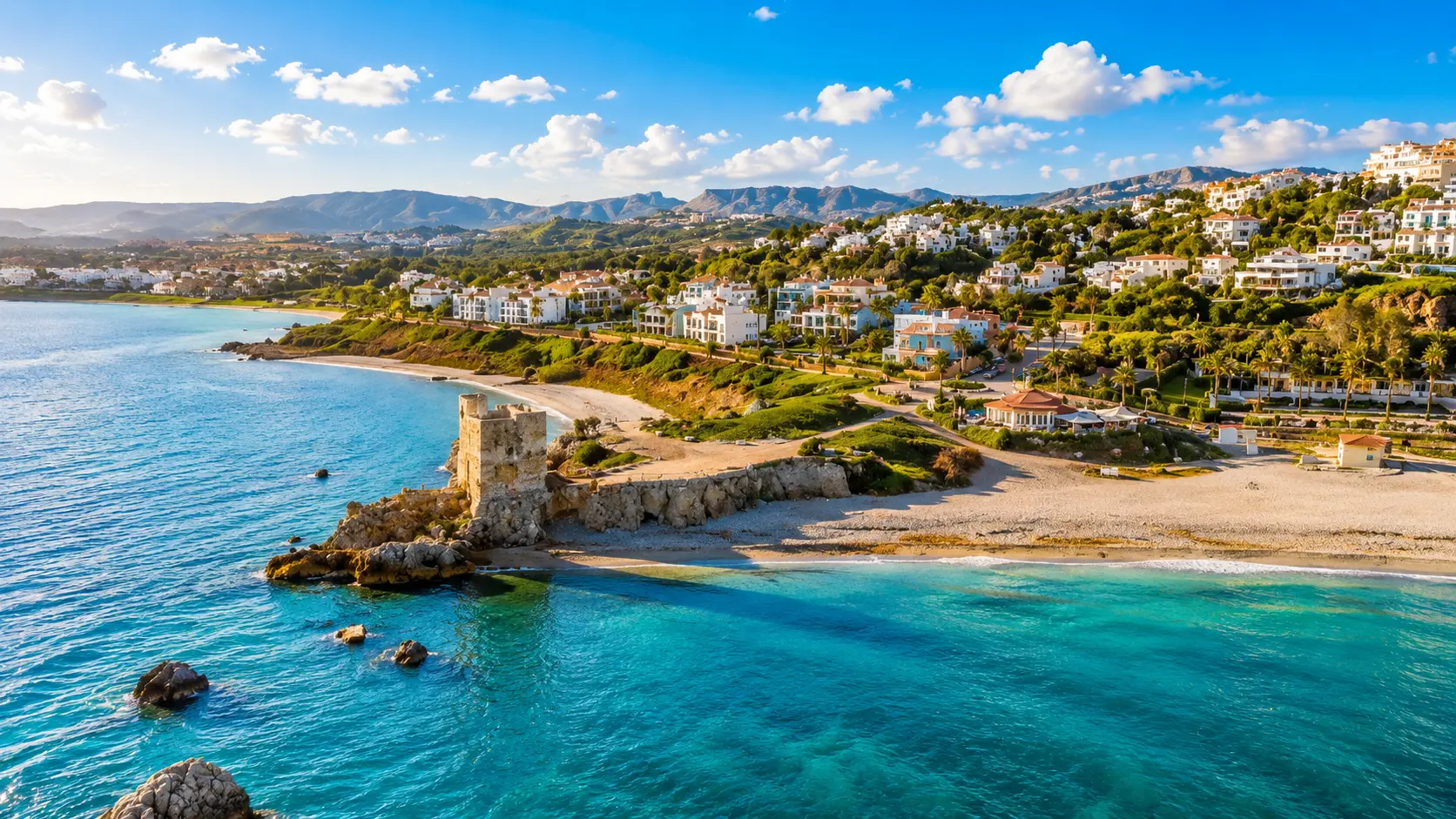
Casares Costa
A quieter western-coast setting with beaches, golf, open views and a more relaxed residential rhythm.
Explore Casares Costa →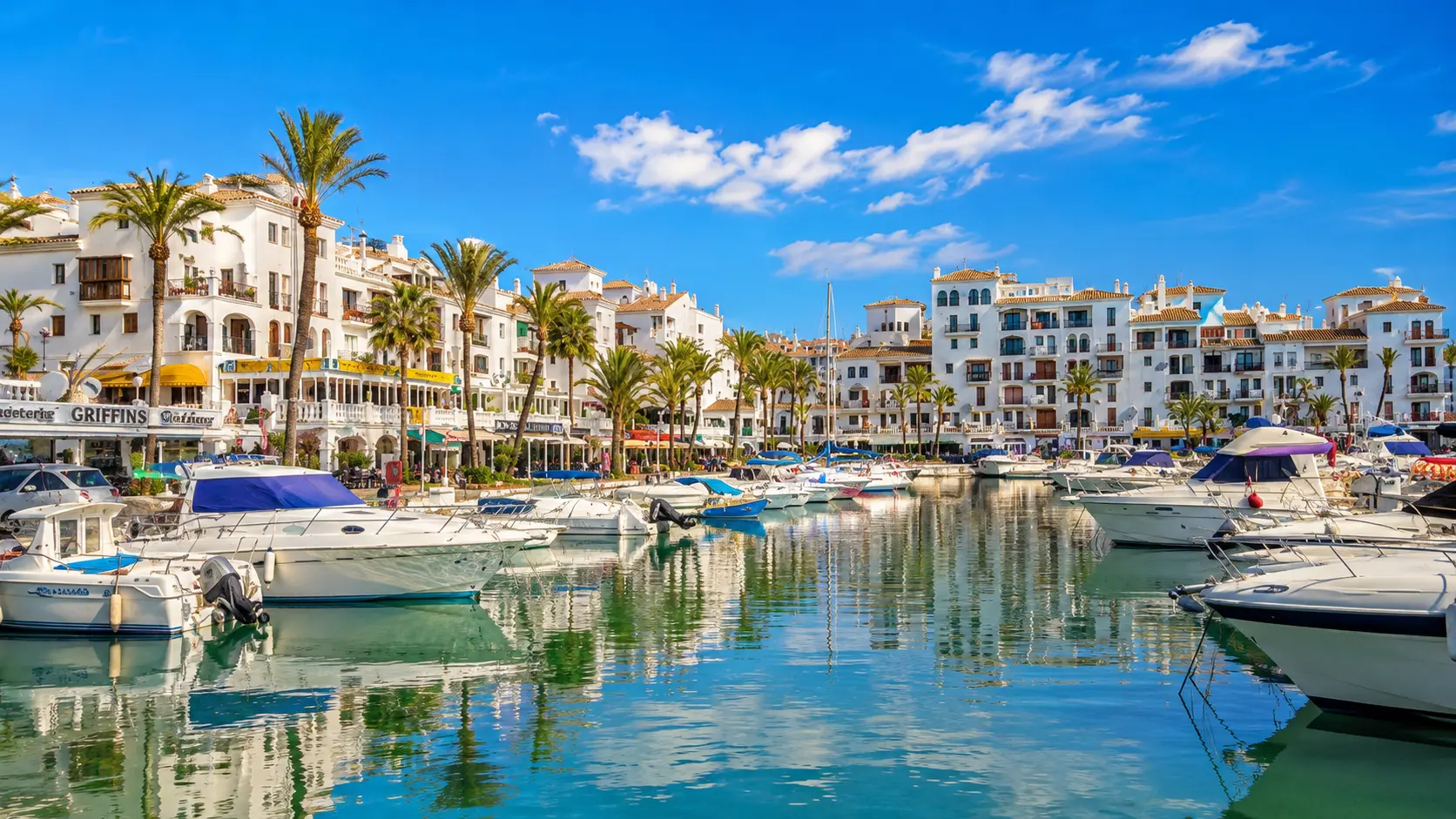
Manilva
Marina life, sea views, beaches and comparatively accessible prices on the western Costa del Sol.
Explore Manilva →Choose Your Sunshine Style
Popular Property Searches by Lifestyle
Beachside Homes
Apartments and villas close to the sea, promenade walks and beach restaurants.
View Beachside Homes →Golf Properties
Homes near fairways, clubhouses, green views and year-round outdoor living.
Explore Golf Homes →Gated Communities
Private residential settings with controlled access, shared facilities and a quieter sense of arrival.
View Gated Communities →Close to Málaga Airport
Practical homes for regular visits, easy weekend escapes and simple year-round travel connections.
View Airport-Friendly Homes →Why Holiday Homes Spain?
Local Guidance with a Sunny Outlook
Find the Right Part of the Coast
The Costa del Sol is not one single market. Marbella, Estepona, Benahavís, Mijas, Fuengirola and Manilva all feel different, so we help you understand the lifestyle fit before you commit.
Understand the Buying Process
Buying in Spain is easier when the steps are explained properly. We cover purchase costs, NIE numbers, legal checks, viewing strategy and the practical details buyers often miss.
Search with Less Guesswork
Tell us your preferred areas, budget, bedrooms and lifestyle priorities, and we will help you focus on homes that genuinely match how you want to use your time in Spain.
Helpful Guides
Plan Your Property Journey
Our Sister Site
Looking Specifically at Benahavís?
For buyers focused on Benahavís, La Zagaleta, El Madroñal, La Quinta, Los Arqueros, Los Flamingos or Benahavís Village, our sister website offers deeper local guides, specialist collections and a more refined Benahavís-focused property journey.
Visit The Benahavís Collection →Ready When You Are
Let’s Find the Right Spanish Home for You
Tell us what your Spanish dream looks like — beach mornings, golf weekends, family life, rental potential, retirement plans or simply somewhere happy in the sun. We’ll help you narrow the coast, understand the process and find homes worth viewing.
Questions
Frequently Asked Questions
Is Holiday Homes Spain only for holiday homes?No. The name reflects the dream of owning a place in the Spanish sun, but we help buyers looking for holiday homes, relocation properties, investment homes and full-time residences across the Costa del Sol.
Which areas of the Costa del Sol do you cover?We cover the wider Costa del Sol, including Marbella, Benahavís, Estepona, Mijas, Fuengirola, Benalmádena, Casares Costa, Manilva and surrounding residential areas.
How is this connected to The Benahavís Collection?Holiday Homes Spain is the wider Costa del Sol sister brand. The Benahavís Collection remains the specialist website for Benahavís, while Holiday Homes Spain gives buyers and sellers a broader coastal platform.
Can you help if I do not know which area is right for me?Yes. That is often the best place to start. We help you compare lifestyle, access, schools, beaches, golf, budgets and property types before you spend time viewing unsuitable homes.
Can you help me sell my property in Spain?Yes. We can help with valuation guidance, presentation, positioning and marketing to international buyers looking across the Costa del Sol.